toonrecap
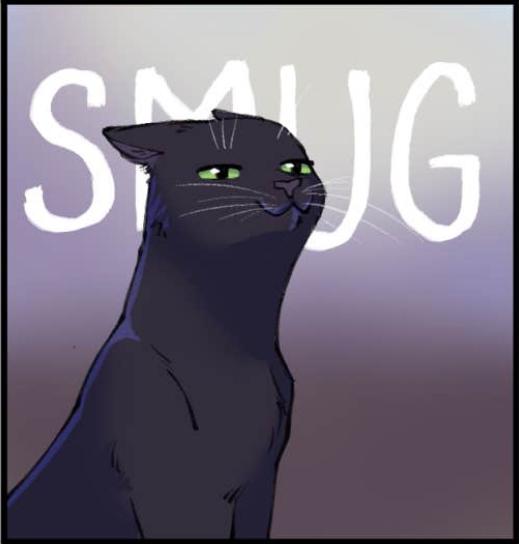
The screen lights up, and a single panel freezes forever. A moment that would otherwise scroll away becomes a small museum of its own.
When a webtoon reader pauses, the image on the screen transforms from moving story to static artwork. The pause itself feels intentional, a decision to extract a fragment and hold it. That fragment, once lifted from its original sequence, can stand alone, inviting the eye to linger on line work, color choices, and the subtle expression captured in a single breath. The allure lies in the paradox of stillness within a medium built for motion. By taking a screenshot, the viewer creates a bookmark that is less about navigation and more about preservation.
A personal gallery of random screenshots becomes a private archive of moments that might otherwise slip by unnoticed. The collection is not organized by genre or author, but by the instinct that guided the click. Each image is chosen because something, perhaps a flicker of humor, a striking pose, or an unexpected panel layout, caught the eye. The act of gathering these fragments does not depend on a systematic method; it follows the rhythm of curiosity. The resulting gallery reads like a diary of visual impulses, a record of what resonated in passing.
Even without a full narrative, the visual language of each frame tells a story. Bold color palettes can set a mood in an instant, while softer tones may suggest nostalgia or melancholy. The arrangement of characters, the balance of foreground and background, and the use of negative space all contribute to the impact of a single screenshot. When a reader captures a panel, the composition is frozen, allowing the eye to dissect every line and shade without the distraction of dialogue or motion. The viewer can admire the artist’s choices in isolation, appreciating the craft that supports the larger tale.
A single panel often contains clues that hint at the larger plot. A character’s expression, a prop in the corner, the direction of a gaze, each element whispers possibilities. By extracting these hints, the gallery becomes a puzzle, inviting speculation. The lack of surrounding panels forces the mind to fill gaps, turning the viewer into a co‑author of the scene. This collaborative imagination is part of what makes sharing screenshots compelling; it transforms a passive consumption into an active dialogue.
When a screenshot is posted, it detaches from its original flow and enters a new environment. Viewers who have not followed the series encounter a fragment that must stand on its own merit. The image invites commentary based solely on visual impact, encouraging discussions about art style, emotional tone, or narrative intrigue without relying on plot details. This form of sharing creates a communal space where strangers can connect over a single visual moment, analyzing and appreciating the scene as though it were a standalone piece of art.
Behind every shared screenshot lies an unspoken conversation between creator and audience. The creator’s intent, the reader’s interpretation, and the community’s response intertwine in subtle ways. When a random panel circulates, the original artist may never see it, yet the image lives on, resonating with new eyes. The dialogue is quiet, carried through likes, comments, and the simple act of re‑sharing. It demonstrates how a fleeting visual cue can spark a ripple across a network of fans, each adding their own layer of meaning.
The practice of gathering and sharing random webtoon screenshots hints at a broader trend: the desire to capture moments that speak to us personally, regardless of their place in a larger story. As the medium evolves, readers may continue to build personal archives that reflect their unique tastes and emotional responses. These collections become personal museums, each shelf filled with slices of storytelling that have left an imprint. The act of curating, viewing, and sharing these slices will likely remain a quiet but powerful way for fans to celebrate the art they love.