toonrecap
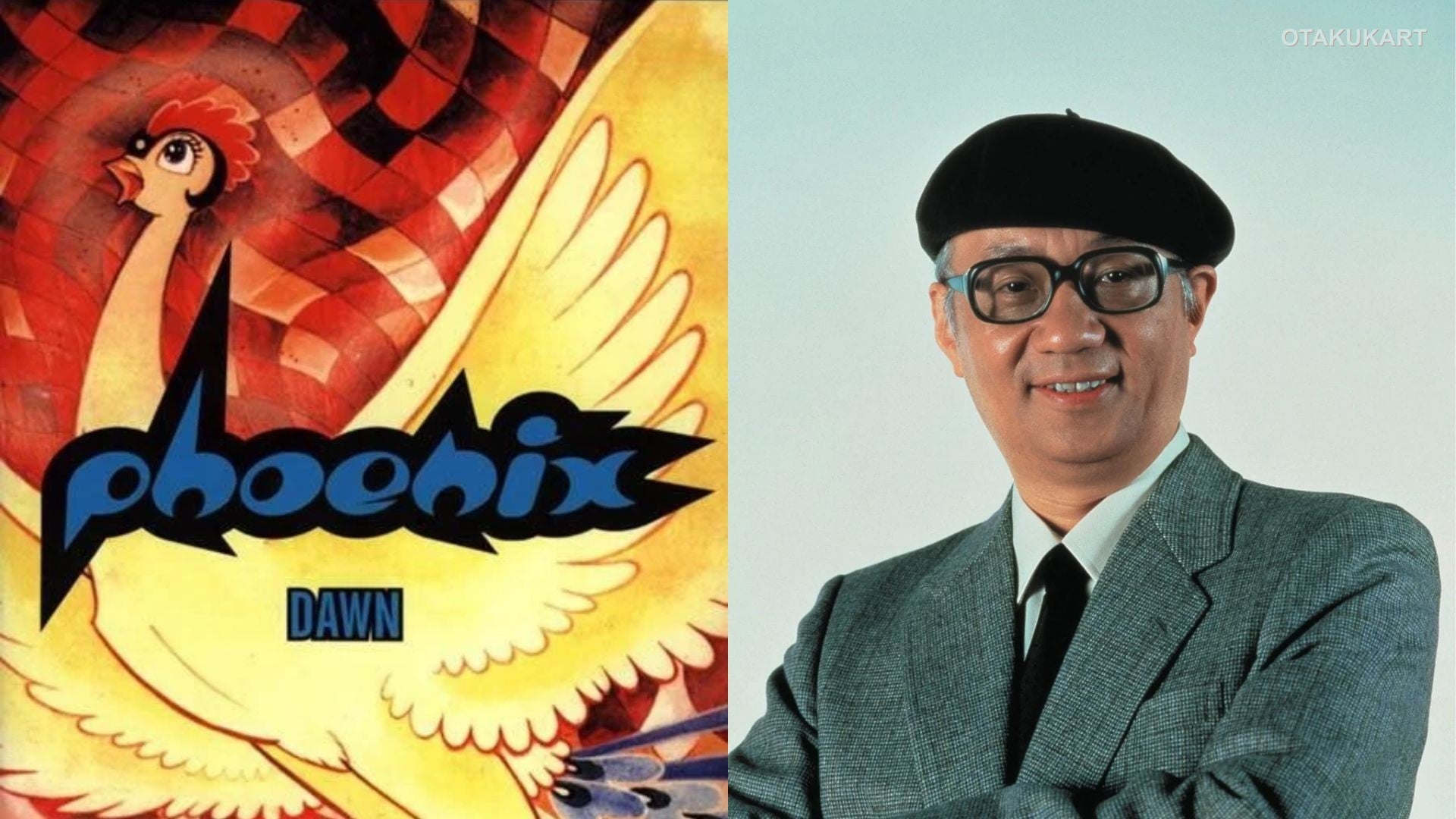
A legend waits in the shadows of the comic world. One masterpiece still whispers for a wider audience.
Jason Andrew Cohn, the filmmaker behind the forthcoming documentary Tezuka! God of Manga, has spent months immersing himself in the life and work of Osamu Tezuka. In a recent roundtable with The Beat, Cohn positioned the documentary as more than a biographical sketch; it is intended to illuminate the breadth of Tezuka’s influence on modern storytelling. By focusing on the creator’s most daring projects, the film aims to reach viewers who may only recognize a handful of his titles. Cohn’s central argument is that the documentary will serve as an entry point for new readers, guiding them toward works that have long been overlooked beyond Japan’s borders.
Among the titles highlighted in the interview, the manga Phoenix stands out as a centerpiece of Cohn’s advocacy. He described the series as one of Tezuka’s most important works, noting its ambitious narrative structure that spans multiple eras and reincarnations. The story weaves together science, mythology, and philosophical musings, inviting readers to contemplate the cyclical nature of life. According to Cohn, the complexity and depth of Phoenix make it essential reading for anyone with an interest in comics as an art form. The director believes that the series deserves a much larger audience among Western manga readers than it currently enjoys.
Cohn emphasized that only a small selection of Tezuka’s stories have achieved widespread recognition in English‑speaking countries. Iconic series such as Astro Boy and Kimba the… have become cultural touchstones, yet the majority of his oeuvre remains hidden from a broader readership. This disparity, he argues, stems from the historical focus on a few flagship titles during early translation efforts. As a result, many of Tezuka’s more experimental and thematically rich works, including Phoenix, have not been given the same exposure. The documentary seeks to correct that imbalance by spotlighting the breadth of his catalog.
The path from Japanese manuscript to English‑speaking bookshelf is fraught with logistical hurdles. Cohn pointed out that limited licensing agreements often restrict which series reach foreign markets. While Astro Boy and Kimba the… secured early distribution deals, other titles have been left in the shadows due to perceived commercial risk. The director hopes that the documentary’s release will generate renewed interest among publishers, encouraging them to invest in translating and marketing the more ambitious works. By demonstrating the artistic merit of Phoenix, Cohn believes a stronger case can be made for its inclusion in mainstream manga catalogs.
In parallel news, the Made in Abyss anime franchise announced its first theatrical release in six years. The upcoming film, titled Made in Abyss: Awakening Mystery, is set to debut in North America on December 5, 2026, during the Anime Frontier event in Fort Worth, Texas. HIDIVE confirmed that it will handle North American distribution beginning in 2027. Directed by Masayuki Kojima and produced by Kinema Citrus, the movie continues the series’ tradition of blending profound world‑building with striking visual storytelling. The announcement highlights a growing appetite for high‑quality anime experiences beyond streaming platforms, echoing the broader desire for deeper engagement with Japanese media.
The manga world also turned its attention to the latest twist in Jujutsu Kaisen: Modulo. The final chapter of the sequel, Chapter 25, introduced an ambiguous hint that the character Megumi Fushiguro may no longer be alive in a future timeline. No explicit explanation accompanies the suggestion, leaving fans to speculate about the character’s fate. Written by Gege Akutami and illustrated by Yuji Iwasaki, the story is set in the year 2086, precisely 68 years after the events of the Culling Game. It follows the Okkotsu siblings, Yuka and Tsurugi, as humanity confronts new challenges. The unresolved thread underscores the series’ willingness to take narrative risks, a quality that aligns with Tezuka’s own experimental spirit.
As the documentary prepares for release, the confluence of these announcements signals a vibrant moment for manga and anime fans worldwide. Cohn’s focus on Phoenix aims to broaden the canon of works that English‑language readers consider essential. Simultaneously, the arrival of a new Made in Abyss film and the provocative cliffhanger in Jujutsu Kaisen: Modulo illustrate the industry's commitment to expanding storytelling horizons. Together, these developments suggest that the appetite for complex, ambitious narratives is growing. For readers and viewers eager to explore the full spectrum of Japanese comic art, the coming months may offer fresh opportunities to discover hidden gems and revisit beloved classics alike.